


Rapa Nui: living culture adrift in the Pacific
Right in the middle of the Pacific Ocean, over 3,700 kilometers off the mainland Chilean coast, lies Rapa Nui, also famously tagged as Easter Island. This isn’t just about hypnotic moai; it’s an ecosystem of living culture that has mastered the art of resilience, reinvention, and speaking straight to the world.
Where on Earth is Rapa Nui, and what makes it so magnetic?
Rapa Nui floats in the Pacific Ocean, right on the eastern edge of Polynesia, and officially belongs to the Valparaíso Region. It holds the title of one of the planet's most isolated inhabited outposts while effortlessly shining as a powerhouse of cultural and natural heritage.
The island hosts nearly a thousand moai—colossal stone icons channeling the sheer creative force of an ancestral Polynesian culture that refuses to be archived.
Moai: Ancestral Sentinels
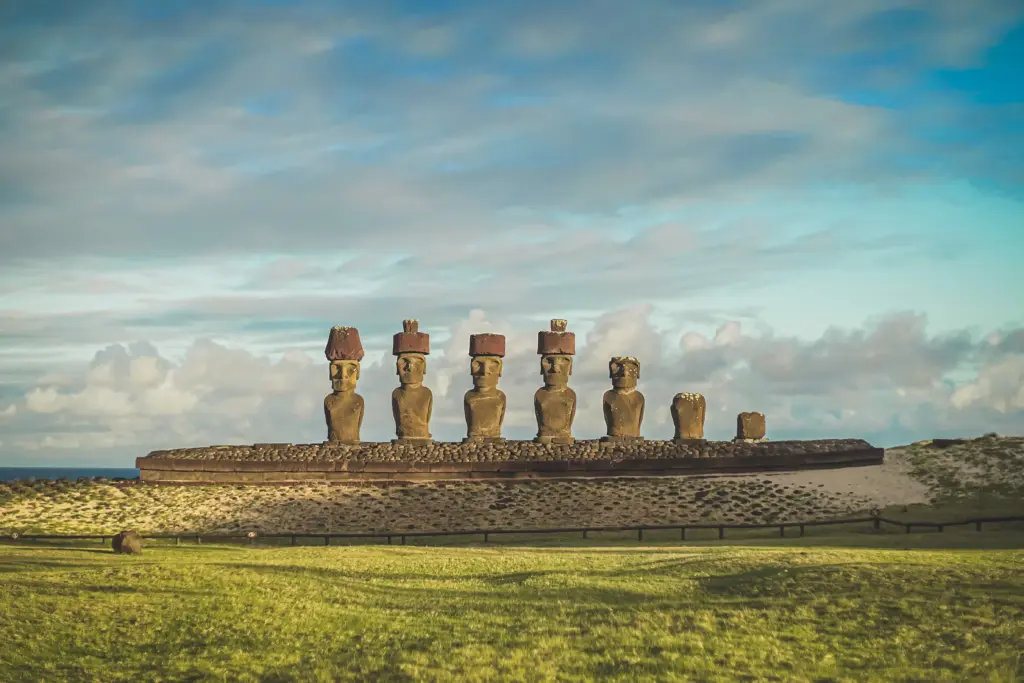
Carved predominantly from volcanic tuff, the moai stand as the ancestral embodiments of the Rapa Nui people. Historically perched upon ceremonial platforms known as ahu, they deliberately gaze inward toward the communities—radiating protection and an unbroken link with their lineage.
Rapa Nui Culture: A Living Legacy
The spirit of Rapa Nui pulses through its soundscapes, dance, rituals, and a profound reverence for ancestry and ecology. Its tongue, the Austronesian Vananga Rapa Nui—a sister of Māori—gained official Chilean recognition in 2017, supercharging the preservation of its cultural DNA.
The Rapa Nui Cosmovision
The island’s worldview is radically entwined with the natural world and ancestral lore. Looming large in this pantheon is Make-Make, the creator deity and bringer of life, alongside Hotu Matu’a, heralded as the pioneering leader of the Rapa Nui people and the catalyst of their story.
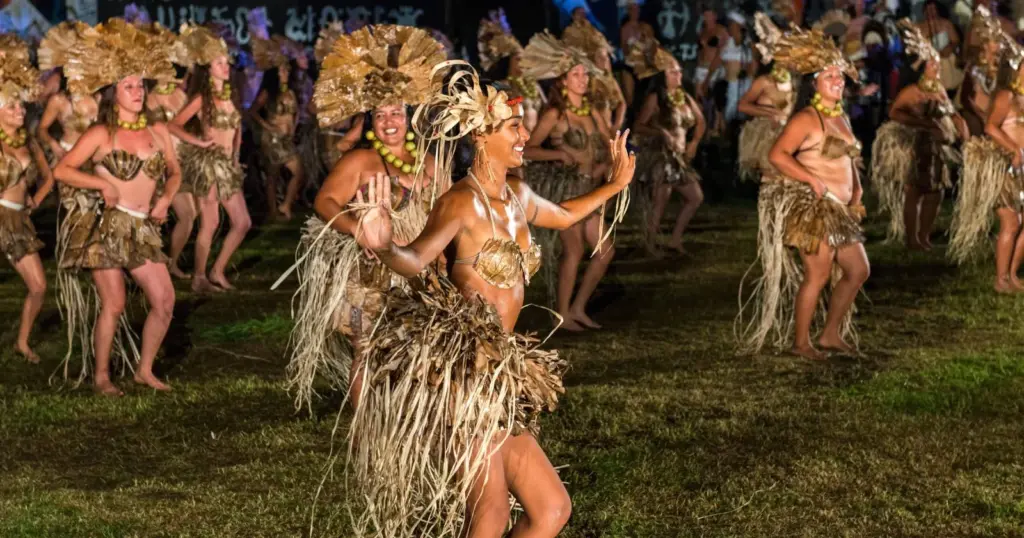
Headlining the island’s vibrant rhythms is Tapati Rapa Nui, an explosive two-week annual festival throwing down high-stakes ancestral challenges, music, and dance.
Then there are the raw, embodied expressions: the infectious, body-centric swagger of the Sau Sau; the fierce, kinetic power of the Hoko warrior dance; and the haunting cadence of the Riu, vocal chants tracing bloodlines and mythologies.
Rapa Nui craftsmanship keeps the dialogue with the ancestors dynamic. Think masterfully carved wood and stone, intricate shell adornments, organic fiber attire, and evocative paintings layered onto native bark cloth, known as mahute.
An Island Forged by Fire
Rapa Nui was born from three extinct volcanoes: Poike, the elder; Terevaka, the sprawling giant; and Rano Kau, crowned by a show-stopping crater. This dramatic topography isn't just backdrop—it’s the marrow of the island’s identity.
Submerged around the shores is an extraordinary marine universe: over 300 fish species, roughly a quarter of which exist nowhere else on the planet. Crystalline waters harbor sea turtles, vibrant coral gardens, and a marine ecosystem that crowns Rapa Nui as an off-grid Pacific marvel.
Mindful Roaming
Exploring Rapa Nui calls for an unspoken pact: protect both nature and narrative. Staying on marked trails, hands off the moai, and treading lightly are non-negotiable. Raising the bar, the island is currently championing fierce sustainability leaps, including an ambitious “Zero Waste by 2030” mission.
Chile’s Living Heritage

Rapa Nui is an electrifying cultural beacon for Chile on the global stage. Its history, voice, rituals, and untamed terrain converge into a radical enclave where ancient memory boldly scripts the future.
Far beyond a postcard destination, Rapa Nui is an unfolding epic of resilience, human expression, and symbiosis with the wild. Experiencing it is a rare gift; preserving it is on all of us.
.
.